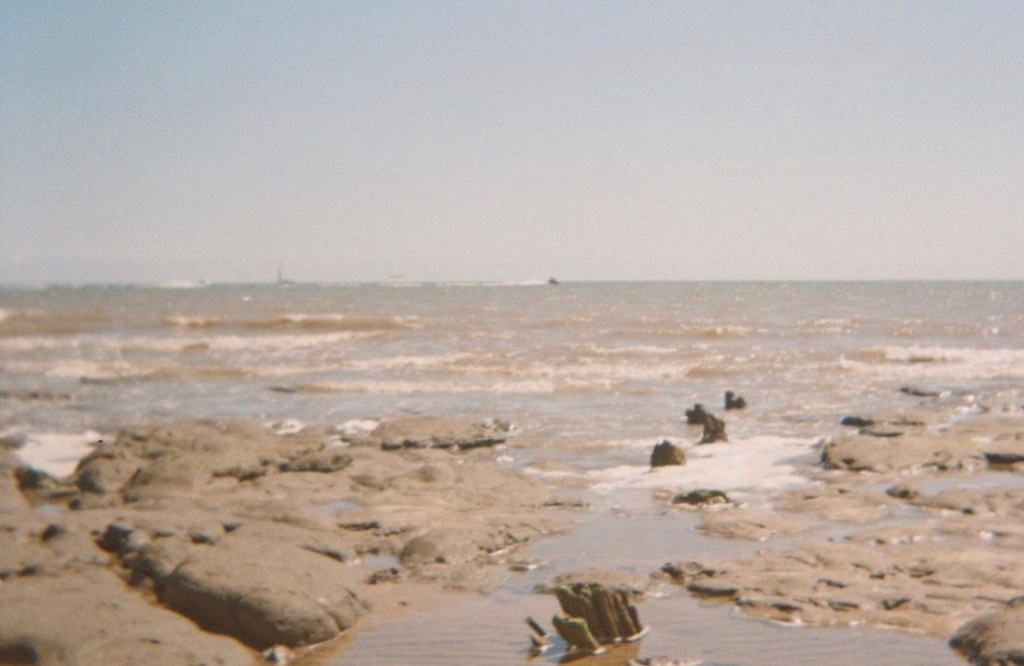
Long before Instagram, there was the Instamatic. An interesting £2 boot sale find, what did I make of the Kodak Instamtic 33?
A visit to the local car boot sale usually ends up with me returning with a lighter wallet and at least two new cameras. Sure, I’ve had luck finding an Olympus Trip 35 for the grand sum of £2.00, but most of the time I return home not knowing what I’ve purchased or if it even works. Back in March, I spotted two cameras sitting on a stall; an Agfa ISO Rapid and a Kodak Instamatic 33. I ended up paying £4 for them both.
Kodak Instamatic 33
The Instamatic series of cameras, first introduced in 1963, was Kodak’s foray into the inexpensive point and shoot camera market. Designed to accommodate the inexperienced photographer, Kodak created a new cartridge based easy load film format, 126. The cartridge was completely encased and had its own backing paper and exposure counter. This meant these features could be excluded from the camera, meaning production was cheap, and so was the retail price! An instant success, over 50 million Instamatic cameras were produced before 1970. The brains behind the Instamatic, Dean M. Peterson would later go on to help innovate many successful features introduced to Point & Shoot cameras in the 80s, including Autofocus, Auto-film Advance and Built in Flash.

As you can see, mine has seen better days. The faceplate is being held on by black electrical tape.
The Instamatic 33 was released in 1968. In hand the camera feels cheap as expected; the whole thing is built from plastic, including the lens. I couldn’t find much information on the lens, apart from the fact it has a 1.2m minimum focus distance. Two exposure settings, one for cloudy weather or flash and one for sunny weather, are changed via twisting a dial surrounding the lens. The flashcubes are hard to come by these days, so I had to wait for a sunny day to use the camera. But first I had to figure out how to get my hands on some 126 film.
The Fakmatic
126 film was last produced by Italian company Ferrania in 2007. After bankruptcy the company re-founded in 2013, although there has been no attempt to reproduce 126 as of writing. You can occasionally find unopened and expired 126 film online, but it isn’t cheap. Enter Camerhack.
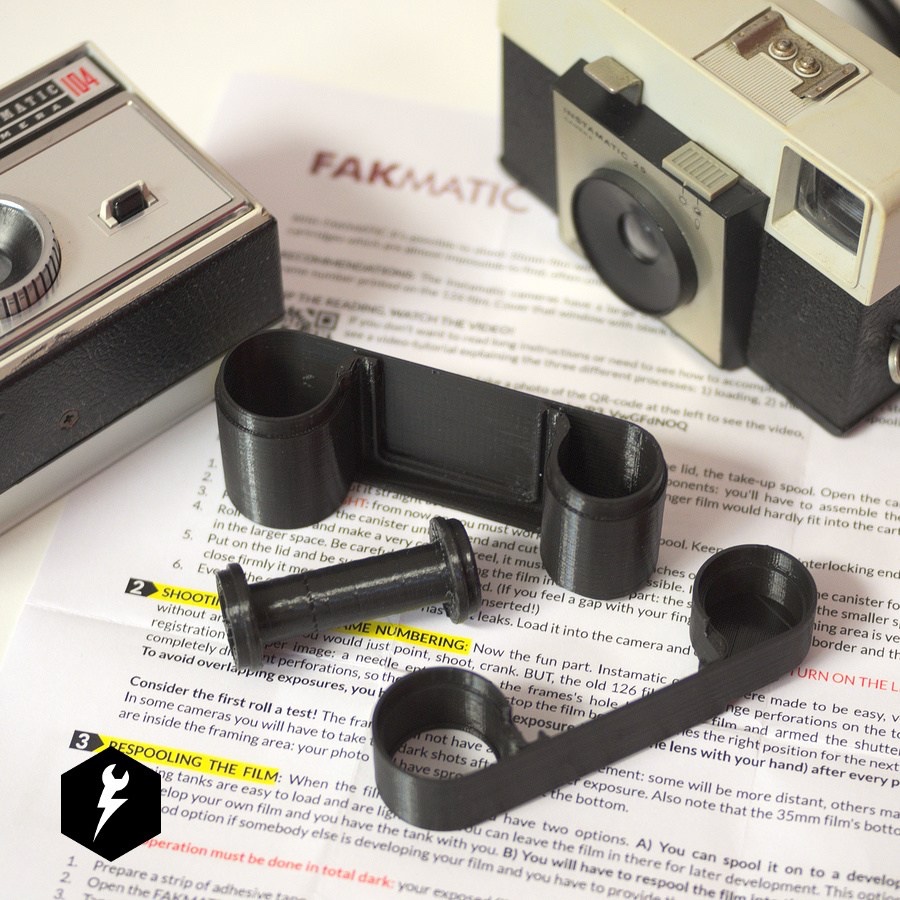
Image taken from Camerhack’s store
Another Italian company, Camerhack have been producing a 135 to 126 converter known as The Fakmatic. A 3D printed reusable cartridge allows the user to use traditional 35mm film in a 126 camera, although there are a few quirks. Loading the Fakmatic isn’t easy. Firstly, you have to unreel the film from the canister and cut at the end. Then you must re-roll the film into a tight compact reel, the tighter the better. This has to be inserted into the smaller side of the Fakmatic, and the larger side houses the take up spool. Finally the cartridge can be closed and placed into the camera. Did I say that all of this has to be done in a Darkroom? Due to the sprocket spacing, a few blank shots must be fired between shots in order to advance the film enough. Once finished, the film has to be taped back to the original 35mm canister and rewound in the darkroom, or sent to the lab unreeled.
Yes, this a lot of hassle. But is it worth it? Let’s see the shots…
The Shots
Unsure on how the camera really works, I opted to load the Fakmatic with Kodak Color Plus 200 (the last 126 film produced was rated at iso 200). A beautiful day seemed the perfect opportunity for a trip to Walton-on-the-Naze, a classic British holiday destination. An iconic camera with a classic British holiday destination, a match made in heaven, perhaps?
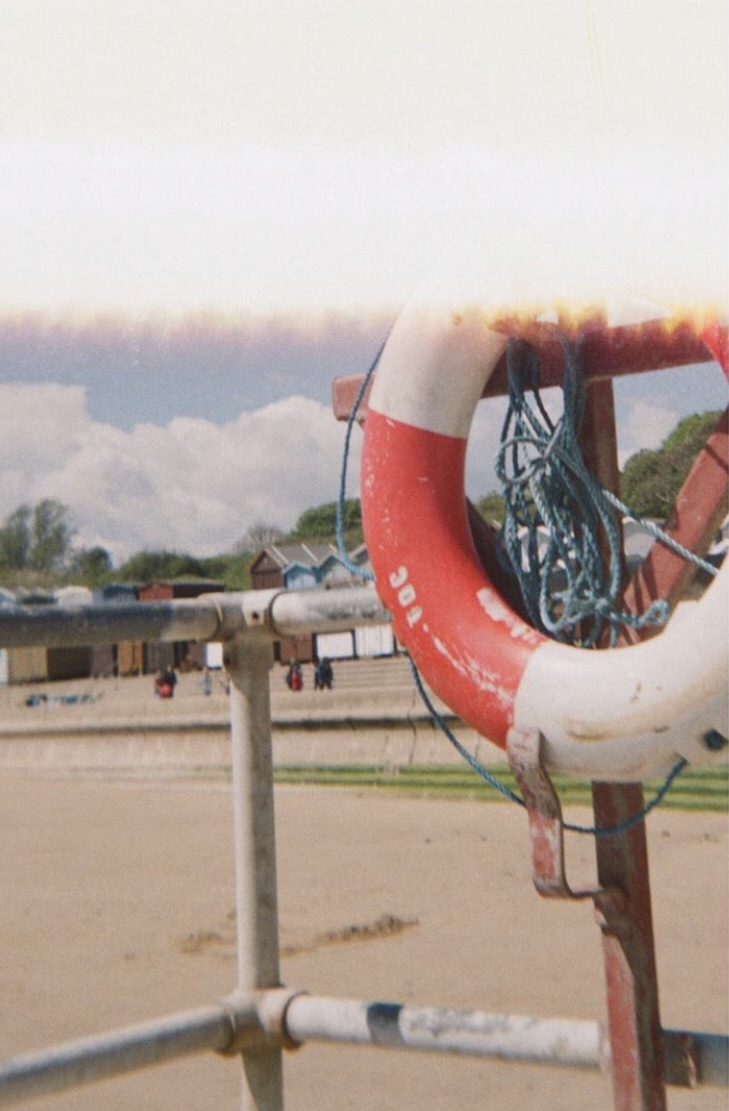
Kodak Color Plus 200
First shot on the roll. The colours are rendered well, not too punchy but by no means dull.
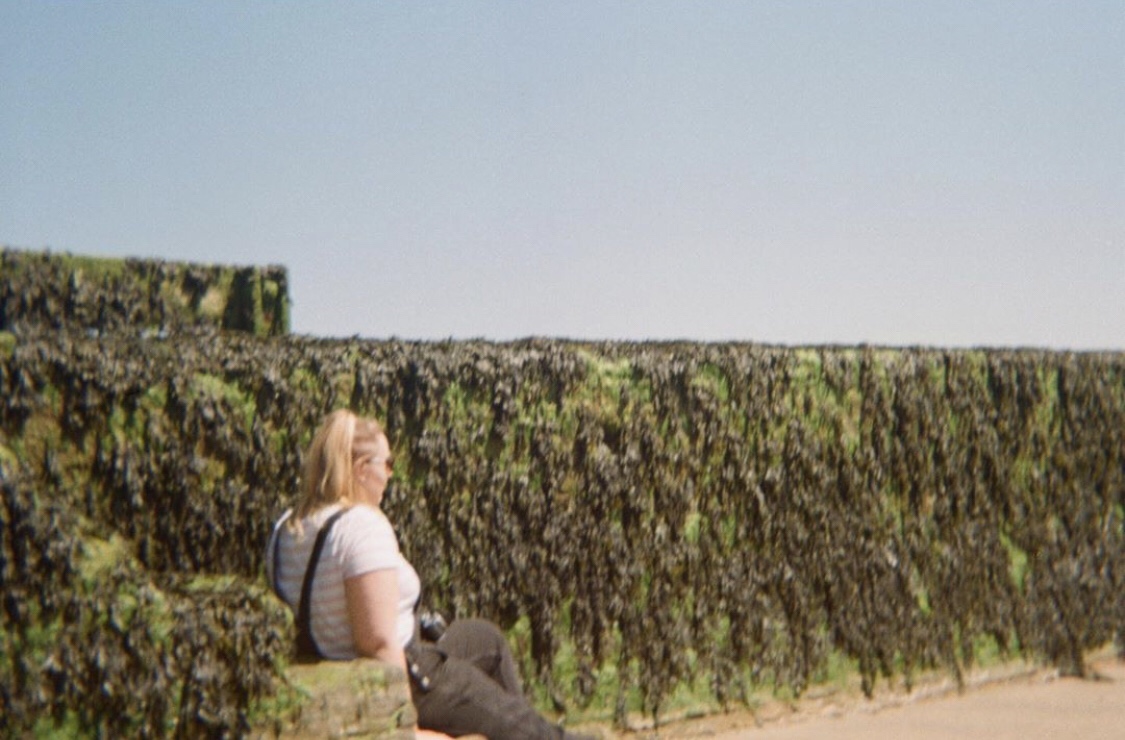
Kodak Color Plus 200
Focus is an issue, but what can be expected from a free focus point and shoot camera? The shots aren’t out of focus, but they’re not overly sharp either.
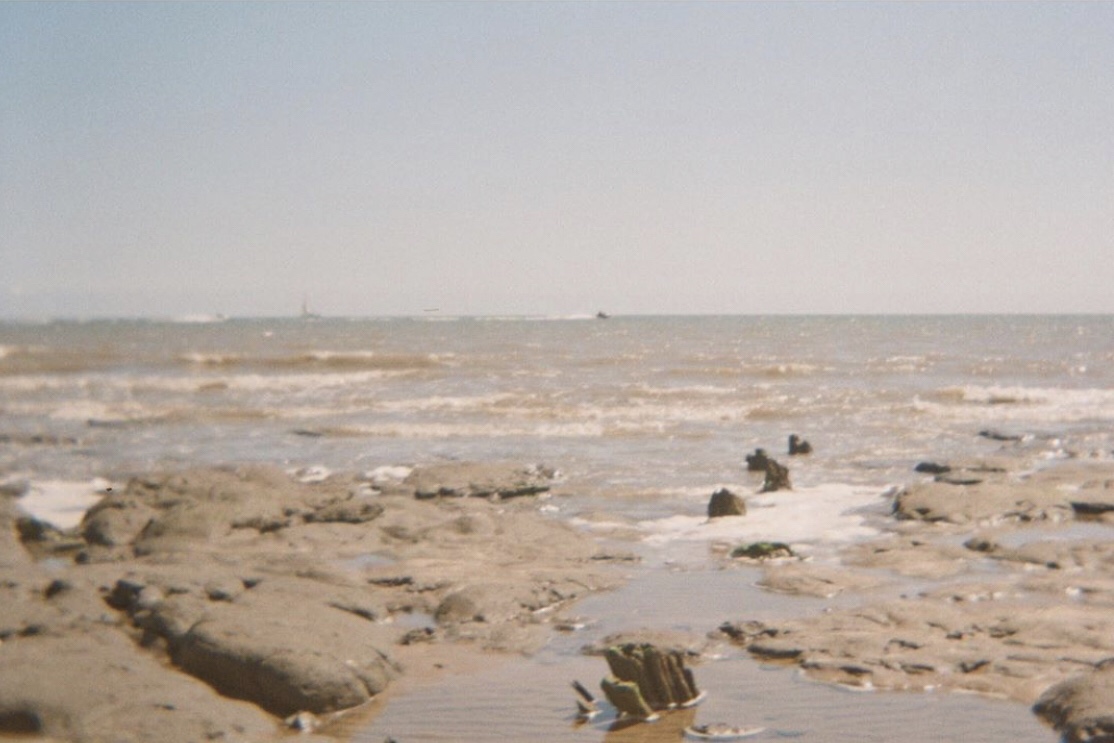
Kodak Instamatic 33
Kodak Color Plus 200
The ‘Sunny’ shutter speed must be reasonably quick, as the waves are clearly defined.
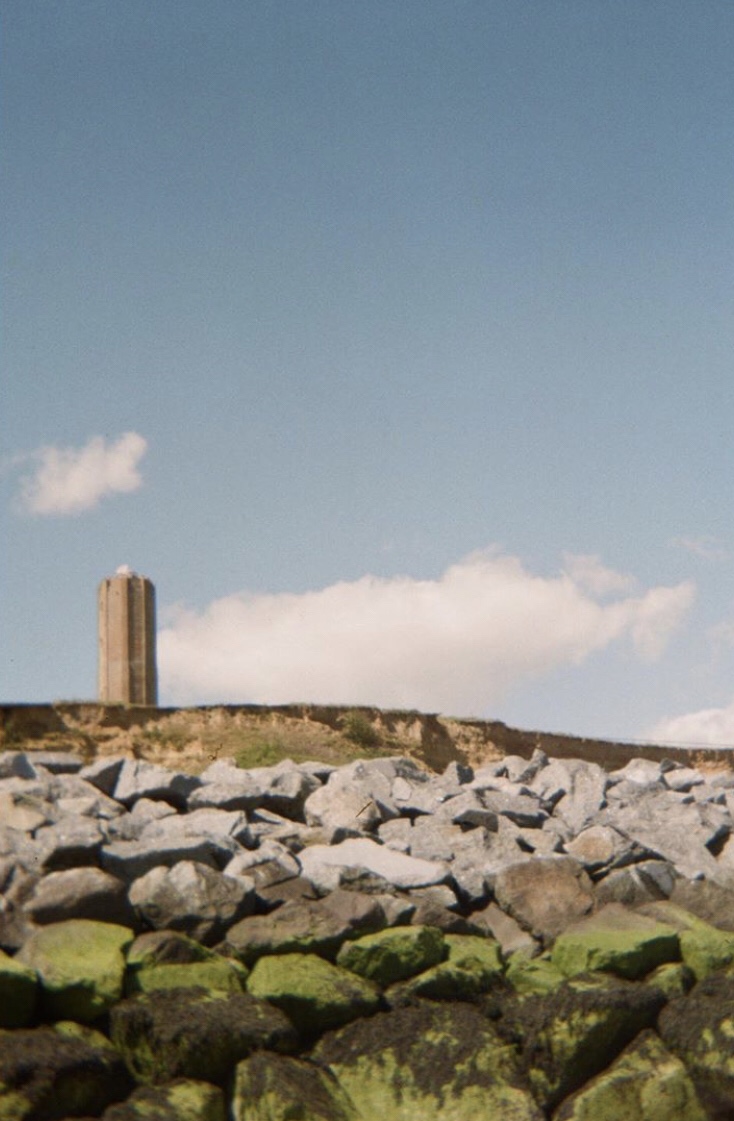
Kodak Instamatic 33
Kodak Color Plus 200
I would guess the lens is fixed at around f8, judging by the depth of field of this shot.
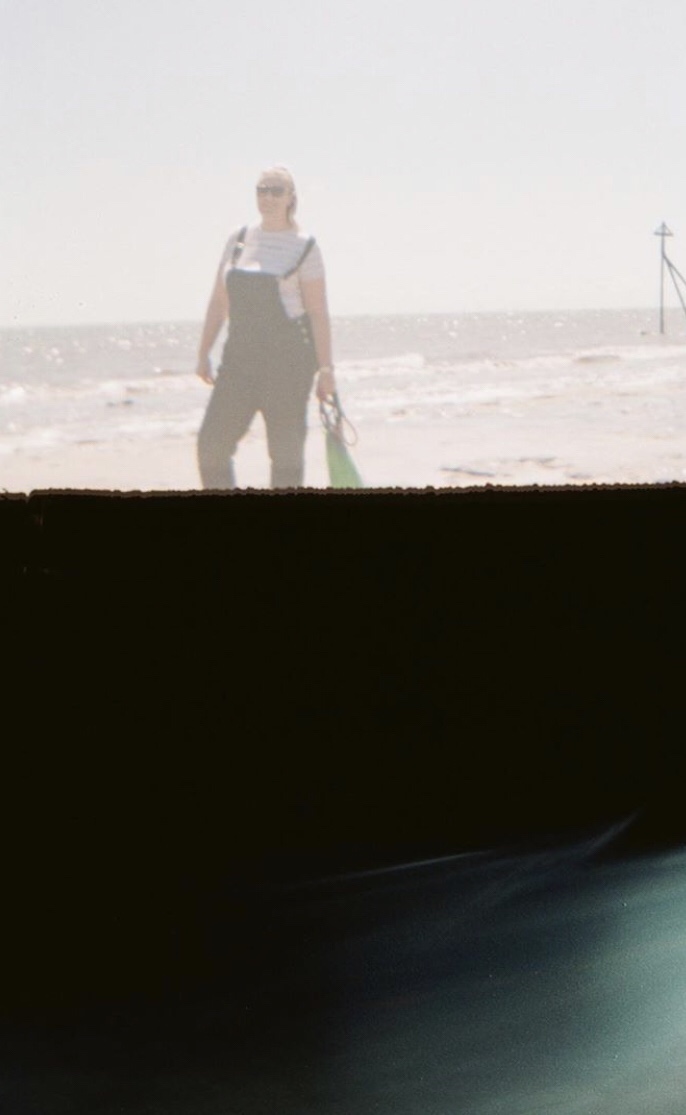
Kodak Color Plus 200
I don’t know what happened with this shot, my guess is it was the end of the roll. I still kind of like it.
Final Thoughts
I had a lot of fun shooting with the Kodak Instamatic 33. As mentioned in my previous blog, I enjoy shooting with point and shoot cameras and this was no exception. The shots are far from special, but they do have a nice nostalgic look to them.
I think part of the fun for me is the anticipation of shooting with the camera whilst loading the film into the Fakmatic. There is no denying that the whole process is tedious and time consuming, but it almost felt like I was putting ‘more’ into the process from start to finish, meaning when I got the images back it felt like an accomplishment. They might not be the best photos I’ve ever taken but I had a nice day out to the beach, I can’t complain!
Have you shot 126 film before? Let me know in the comments what you thought!
Let me know in the comment section.
What Next?
Buy The Fakmatic from CamerHack.it
 Recollection Of A Moment